
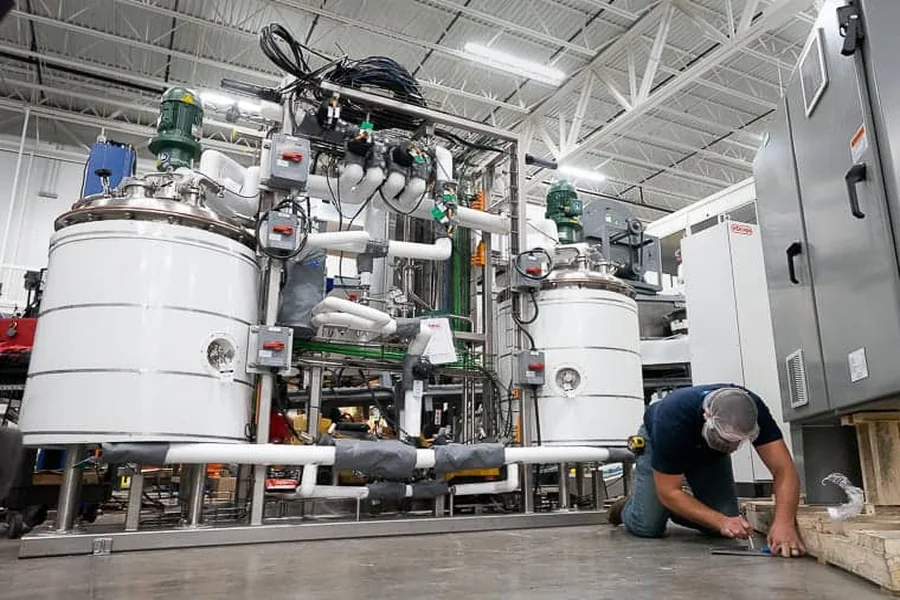
Skid-mounted systems have become a preferred solution across many industrial sectors because they offer speed, consistency, and reduced site disruption. However, not all skid packages deliver the same level of value. One of the most important decisions buyers face is whether to choose a standard, repeatable skid design or invest in a custom-engineered solution. The answer often depends on process complexity, risk tolerance, and long-term operational goals, as well as the capabilities of the industrial skid systems manufacturer that is supplying the equipment.
When Standard Skid Packages Make Sense
Standard skid packages are typically designed around common applications with well-understood operating conditions. They offer clear advantages in terms of cost and lead time. Because the design has been used before, engineering hours are reduced, components are readily available, and fabrication follows established procedures. For straightforward processes with stable requirements, standard skids can be an efficient and economical choice.
However, these benefits can diminish when operating conditions deviate from the assumed norm. Standard skids are built around averages, not exceptions. When space constraints, unusual materials, variable loads, or strict regulatory requirements come into play, standard designs may require compromises. These compromises can introduce inefficiencies, operational workarounds, or future modification costs that outweigh the initial savings.
The Value of Custom-Engineered Skid Solutions
Custom skid packages address these challenges by tailoring the system to the exact needs of the process and site. A bespoke skid is engineered around real-world constraints, including layout, access, utilities, environmental exposure, and integration with existing equipment. This reduces the likelihood of clashes during installation and ensures the system performs as intended from day one.
One of the key ways a manufacturer adds value through customisation is by optimising component selection. Rather than defaulting to generic pumps, valves, or instrumentation, engineers can specify components that are proven for the specific fluid, pressure, temperature, or duty cycle involved. This improves reliability, reduces wear, and extends service life, all of which contribute to lower operating risk.
Control, Automation, and Compliance Advantages
Custom skids also offer advantages in control and automation. Control logic, instrumentation placement, and operator interfaces can be designed to match how the system will actually be used. This improves process stability, simplifies operation, and reduces the likelihood of human error. In regulated industries, custom design also makes it easier to meet documentation, validation, and traceability requirements without retrofitting solutions later.
That said, custom does not always mean complex or slow. Experienced manufacturers often combine modular design principles with bespoke engineering, creating hybrid solutions that balance flexibility with efficiency. Reusable subassemblies, standardised frameworks, and proven fabrication methods can still be applied, while critical process elements are tailored to the application.
Choosing the Right Skid Strategy for Long-Term Performance
Ultimately, the value an industrial skid systems manufacturer delivers lies not in whether a skid is labelled “standard” or “custom,” but in how well it aligns with the customer’s operational reality. For simple, repeatable processes, standard skids can be perfectly adequate. For complex, high-risk, or evolving operations, custom skid packages often deliver better performance, lower lifetime cost, and greater confidence.
Choosing the right approach requires looking beyond upfront price and considering how the skid will perform, adapt, and be maintained over its entire lifecycle.