
Maintaining a beautiful yard is a source of pride for many homeowners, but certain everyday habits can unintentionally invite unwanted pests. From the way you water your lawn to how you store firewood, small choices can create the perfect environment for insects and rodents to thrive. Many people are unaware that their routine outdoor activities may be the reason pests keep returning, despite their efforts to keep them away. Understanding which habits are most likely to attract pests is essential for keeping your yard healthy and your home protected. By making a few adjustments, you can enjoy your outdoor space without the nuisance of uninvited guests.
Common yard habits that attract pests
Overwatering and Poor Drainage
One of the most common mistakes homeowners make is overwatering their lawns and gardens. While it may seem like more water will keep your plants lush and green, excessive moisture creates an ideal breeding ground for pests such as mosquitoes, ants, and even termites. Standing water in birdbaths, clogged gutters, or low spots in the yard can quickly become a haven for insects looking to lay eggs. Poor drainage compounds the problem, as waterlogged soil attracts not only insects but also rodents searching for a reliable water source. Over time, these pests can multiply rapidly, making it difficult to regain control of your outdoor space. Adjusting your watering schedule and ensuring proper drainage can significantly reduce the risk of pest infestations, helping to maintain a healthier yard environment.
Leaving Food and Trash Outdoors
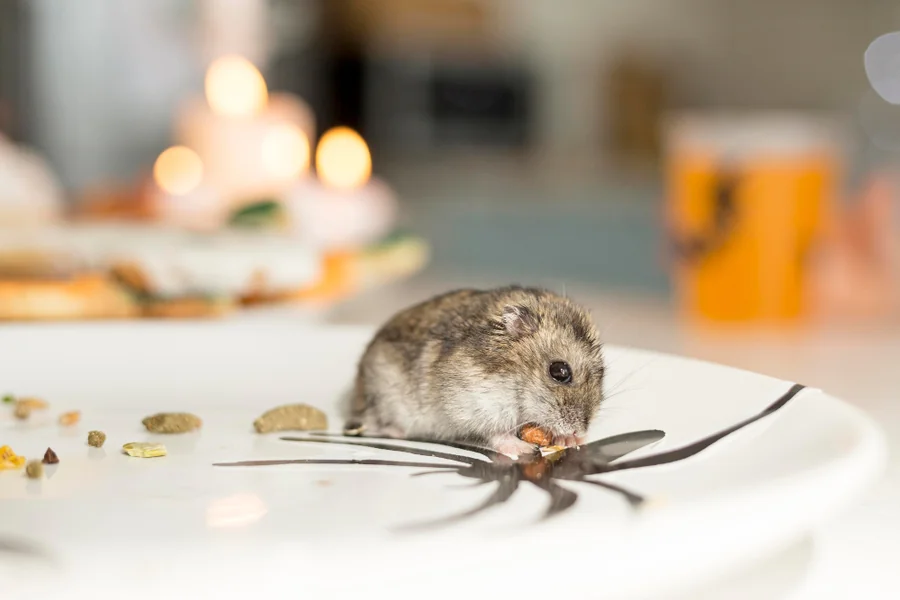
Another habit that often goes unnoticed is leaving food scraps, pet food, or trash outside for extended periods. Even small crumbs or leftovers from a backyard barbecue can attract a wide range of pests, including ants, raccoons, and rodents. These animals have a keen sense of smell and can detect food from surprising distances. Once they find a reliable food source, they are likely to return and may even begin nesting nearby. This is where Pest Control Middletown DE services can play a crucial role in helping homeowners identify and address the root causes of recurring pest problems. By promptly cleaning up after meals, securing trash bins with tight-fitting lids, and avoiding the habit of leaving pet food outdoors overnight, you can make your yard far less appealing to pests. Consistent cleanliness is key to preventing infestations and maintaining a pest-free outdoor space.
Storing Firewood and Yard Debris Improperly
Many homeowners store firewood, lumber, or yard debris close to their homes for convenience, but this habit can inadvertently attract pests. Stacks of wood and piles of leaves provide shelter and nesting sites for insects like termites, carpenter ants, and spiders, as well as rodents such as mice and rats. When these materials are placed directly against the house or near entry points, pests have an easy path indoors. Over time, the presence of these pests can lead to structural damage and health concerns for your family. To minimize the risk, it is important to store firewood at least twenty feet away from your home and keep it elevated off the ground. Regularly removing yard debris and trimming overgrown vegetation will also reduce hiding spots for pests. By being mindful of where and how you store materials outdoors, you can significantly decrease the likelihood of attracting unwanted visitors.
Neglecting Lawn Maintenance
A well-maintained lawn is not just about aesthetics; it also plays a significant role in pest prevention. Allowing grass to grow too long, failing to remove weeds, or neglecting to trim shrubs and bushes can create dense, shaded areas where pests thrive. Tall grass and overgrown vegetation provide cover for ticks, fleas, and other insects, making it easier for them to move around undetected. Additionally, these conditions can attract larger pests such as snakes and rodents, which are drawn to the shelter and food sources found in untended yards. Regular mowing, edging, and pruning help to eliminate hiding spots and disrupt the habitats that pests rely on. By keeping your lawn and landscaping in good condition, you not only enhance the appearance of your property but also create an environment that is less inviting to pests.
Outdoor Lighting Choices
The type and placement of outdoor lighting can have a surprising impact on pest activity around your home. Bright white lights, especially those left on throughout the night, attract a variety of flying insects, including moths, beetles, and mosquitoes. These insects, in turn, can draw predators such as bats and spiders closer to your living spaces. To reduce the attraction, consider using yellow or sodium vapor bulbs, which are less appealing to insects. Positioning lights away from doors and windows can also help prevent pests from finding their way indoors. Being strategic about your outdoor lighting choices can make a noticeable difference in the number of pests congregating around your home, allowing you to enjoy your yard with fewer interruptions.
The Impact of Bird Feeders
Bird feeders are a popular addition to many yards, providing enjoyment for homeowners and nourishment for local wildlife. However, they can also attract unwanted pests if not managed carefully. Spilled seeds and uneaten food can draw rodents, squirrels, and insects, creating a secondary food source that encourages these pests to linger. To minimize the risk, regularly clean up fallen seeds and consider using feeders designed to deter larger animals. Placing feeders away from the house and other structures can also help prevent pests from making their way indoors. With a little attention to maintenance, you can continue to enjoy birdwatching without inadvertently inviting pests into your yard.
Conclusion
Being aware of the outdoor habits that attract pests is the first step toward maintaining a healthy and enjoyable yard. Simple changes, such as adjusting watering routines, promptly cleaning up food and trash, and properly storing firewood, can make a significant difference in reducing pest activity. Regular lawn maintenance and thoughtful choices about outdoor lighting and bird feeders further contribute to a pest-resistant environment. By understanding how everyday actions impact the presence of pests, homeowners can take proactive steps to protect their property and enjoy their outdoor spaces with greater peace of mind. Making these adjustments not only helps keep pests at bay but also supports the overall health and beauty of your yard for years to come.

