

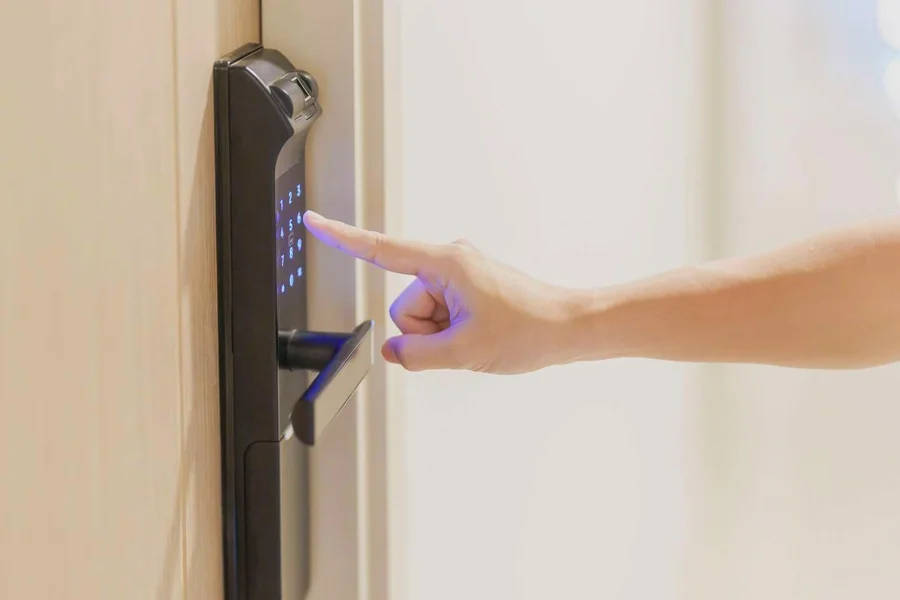
Home security doesn’t always require a full alarm system or smart cameras on every corner. Sometimes, the smaller, more practical upgrades offer just as much peace of mind. If you’ve ever wondered whether you could do more to protect your home without a full renovation, you’re not alone. The good news? There are plenty of simple and effective ways to boost your home’s safety with minimal fuss.
Secure Your Entry Points First
Most break-ins happen through doors or windows. So, reinforcing those areas should always be the starting point. Think of your front and back doors, side entries, and even garage access.
Solid core doors are better than hollow ones for stopping forced entry. Deadbolts add an extra layer of protection, but only if they’re installed properly. Don’t forget about the hinges either—if they’re exposed, they could be a weak point.
Windows often get overlooked, especially if you’ve already got locks. But screens can offer another layer of deterrent. Installing custom-fit security screens for Adelaide homes is a practical step that can make a real difference. They look like regular screens, but they’re made to resist cutting or being kicked in. Plus, they still allow for airflow, so you’re not sacrificing comfort.
Upgrade Your Lighting
Good lighting can deter unwanted visitors without much effort on your part. Start with motion sensor lights at all your main entry points. If someone approaches after dark, the lights switch on—often enough to scare someone off.
You can also set internal lights on timers when you’re away. A few lamps on a rotation pattern can give the impression that someone’s home, which can help discourage opportunistic thieves.
Make Your Fences And Gates Work Harder
A fence might feel secure, but it’s only helpful if it’s tough to climb and well maintained. Tall, solid fences can block visibility, which isn’t always ideal. On the other hand, open-style fencing with lockable gates can make it harder for someone to approach your house unseen.
If you already have a fence, check for weak spots. Loose panels, broken latches, or gaps underneath can be easily fixed but are often ignored. Make sure any gate leading to your backyard is locked, especially if it’s near a shed or laundry entrance.
Keep Valuables Out Of Sight
Most burglaries are crimes of opportunity. If someone sees expensive equipment, a flashy bike, or pricey tools lying around, that can be enough to tempt them.
Inside your home, close your curtains or blinds at night and avoid placing high-ticket items where they’re clearly visible through windows. Outside, put bikes and gear back in the garage or shed, and keep those locked too.
Think Beyond Locks And Alarms
Security isn’t only about keeping people out. It’s also about how you handle emergencies. capitalsreport For example, what happens if there’s a fire or a gas leak and you’re not home?
Smart detectors that send alerts to your phone can help here. Some even let you shut things off remotely or trigger alarms. These aren’t just smart-home gadgets—they offer practical value for safety-conscious homeowners.
Also, don’t forget about your mailbox. A stuffed letterbox signals that no one’s home. Ask a neighbour to collect your mail when you’re away, or better yet, get a lockable one to prevent tampering.
Know Your Neighbours
It might sound old-school, but friendly neighbours are still one of the best safety tools you can have. Keeping in touch means you’re more likely to spot when something’s not right. Whether it’s an unfamiliar vehicle in the driveway or lights left on at odd hours, someone looking out can be a big help.
Community chats or local groups can be a great way to stay in the loop. You don’t have to be best friends, but a little goodwill goes a long way when it comes to watching out for each other’s properties.
Don’t Forget The Basics When Away
Whether it’s a long holiday or just a weekend out of town, prepping your home before you leave makes a big difference. Cancel any deliveries, set a few lights on timers, and double-check every door and window is locked.
One of the most overlooked tips? Don’t broadcast your absence on social media. Save the travel posts for when you’re back. The fewer people who know you’re not home, the better.
If you’re not sure where to start, consider reading up on how to make your home less appealing to burglars. It’s often the small adjustments that add up to a big change in overall safety.
Security Doesn’t Have To Be Complicated
You don’t need to spend a fortune to make your home feel safer. A few thoughtful tweaks—stronger screens, smarter lighting, better locks—can go a long way. Whether you’re in a busy suburb or a quiet street, the same rules apply: be aware, be prepared, and stay one step ahead.
